Have you ever bought a hair product that worked miracles for your friend, but when you tried it, your hair just didn’t respond the same way? The secret likely lies in something called hair porosity – your hair’s unique ability to absorb and hold moisture. Understanding this can completely transform how you care for your hair.
Hair porosity is one of the most important but often overlooked aspects of hair health. It determines:
- How well your hair absorbs products
- How quickly it loses moisture
- What kinds of ingredients work best for you
- Why some treatments work while others don’t
In this comprehensive guide, we’ll cover everything you need to know about hair porosity in simple, easy-to-understand terms. You’ll learn:
- The science behind hair porosity (explained simply)
- How to determine your hair’s porosity level
- Customized care routines for each porosity type
- The best products and ingredients for your hair
- Common mistakes that could be damaging your hair
- Professional tips for maintaining healthy hair
Whether you have curly, straight, thick, thin, natural, or chemically treated hair, understanding porosity will help you make smarter choices about your hair care routine.
Understanding Hair Porosity: The Science Made Simple
To understand hair porosity, we need to look at the structure of your hair. Each strand is made up of three layers:
- The medulla (inner core)
- The cortex (middle layer with pigment)
- The cuticle (outer protective layer)
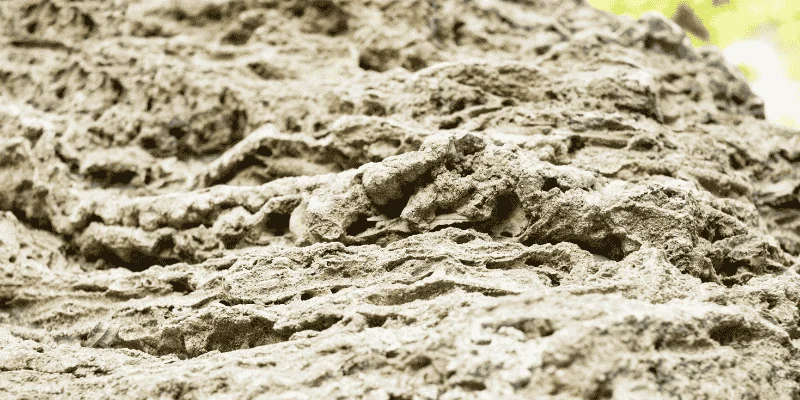
The cuticle is what determines porosity. Imagine it like shingles on a roof:
- When the “shingles” lie flat = low porosity
- When they’re slightly raised = medium porosity
- When they’re very open or damaged = high porosity
Why does this matter for your hair care?
- Absorption: How well products penetrate your hair
- Retention: How long moisture stays in your hair
- Damage control: How prone your hair is to breakage
- Styling: How well your hair holds styles
Your hair’s porosity is mainly determined by genetics, but chemical treatments, heat styling, and environmental factors can change it over time.
The Three Types of Hair Porosity Explained

1. Low Porosity Hair: The Moisture-Resistant Type
Characteristics:
- Hair takes forever to get fully wet in the shower
- Water beads up on hair instead of soaking in
- Products tend to sit on hair rather than absorb
- Hair takes a long time to air dry
- Prone to product buildup
Common Causes:
- Naturally tight cuticle structure
- Minimal chemical processing
- Little heat damage
Hair Types Commonly Affected:
- Many natural hair types (especially type 4 hair)
- Virgin hair with minimal processing
- Some straight hair types
2. Medium Porosity Hair: The Balanced Type
Characteristics:
- Hair gets wet easily, but doesn’t stay soaked
- Holds styles well
- Maintains moisture for a reasonable amount of time
- Generally healthy and manageable
Common Causes:
- Typical, healthy cuticle structure
- Minimal to moderate chemical processing
- Proper hair care routine
Hair Types Commonly Affected:
- Many hair types can achieve this with appropriate care
- Considered the “ideal” porosity level
3. High Porosity Hair: The Thirsty Type
Characteristics:
- Hair soaks up water immediately
- Dries very quickly
- Often feels dry and frizzy
- Prone to tangles and breakage
- Color fades quickly
Common Causes:
- Chemical treatments (relaxers, perms, bleach)
- Excessive heat styling
- Environmental damage (sun, chlorine, hard water)
- Mechanical damage (rough brushing, tight styles)
Hair Types Commonly Affected:
- Chemically processed hair
- Heat-damaged hair
- Naturally very curly hair that’s prone to dryness
- Older hair that’s experienced more damage
How to Test Your Hair Porosity at Home (3 Reliable Methods)
1. The Float Test (Most Popular Method)
What You Need:
- A clean glass or bowl of room-temperature water
- 2-3 shed hairs (clean, no product)
Steps:
- Drop hairs into the water
- Wait 2-4 minutes without disturbing
- Check where the hairs are:
- Top: Low porosity
- Middle: Medium porosity
- Bottom: High porosity
Tip: Do this test on freshly washed hair for most accurate results.
2. The Spray Test (Quick and Easy)
What You Need:
- Water in a spray bottle
- Clean, dry hair section
Steps:
- Spray water on a small section of hair
- Observe what happens:
- Beads up: Low porosity
- Slow absorption: Medium porosity
- Immediate absorption: High porosity
3. The Strand Test (Good for Detailed Analysis)
What You Need:
- A single strand of hair
- Your fingers
Steps:
- Hold the strand at the end
- Slide fingers up toward the root
- Smooth: Low porosity
- Slight bumps: Medium porosity
- Very rough: High porosity
Pro Tip: Try all three methods for the most accurate assessment of your hair porosity.
Complete Hair Care Guide for Each Porosity Type
Low Porosity Hair Care Routine
Washing:
- Use warm (not hot) water to help open cuticles
- Clarify monthly with this clarifying shampoo
- Shampoo less frequently (every 7-10 days)
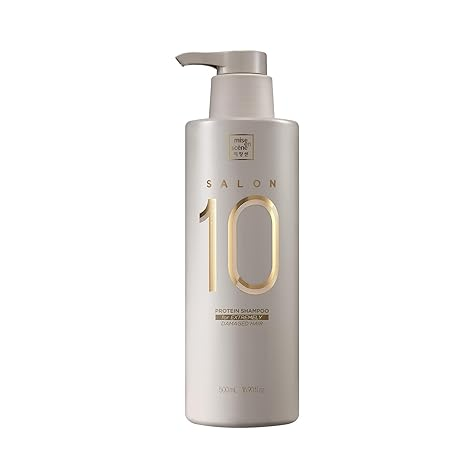
Restore severely damaged hair in just 10 seconds with the powerful 10,000ppm protein complex, packed with essential nutrients to strengthen and smooth hair. The concentrated protein formula repairs cuticle damage, leaving your hair instantly shinier, softer, and full of life after just one wash.

Shampoo with a neutralizing shampoo and follow with Roux® Rejuvenating Porosity Control Corrector & Conditioner.
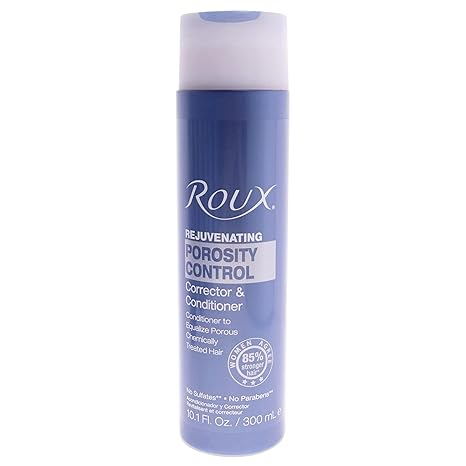
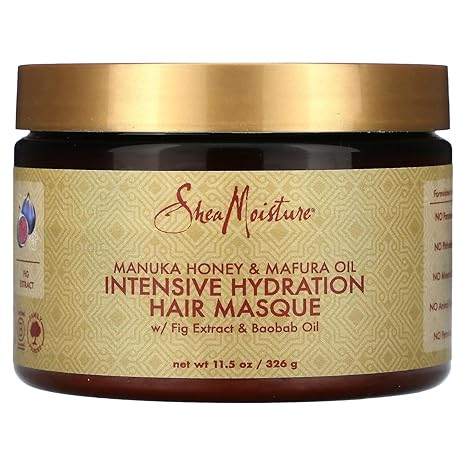
The Intense Mix Of Natural Ingredients Keep Dry Hair Hydrated And Moisturized Throughout The Day. Organic Mafura Oil Blended With Baobab Oil Infuses The Hair With Long Lasting Shine and Softness.