1. Introduction
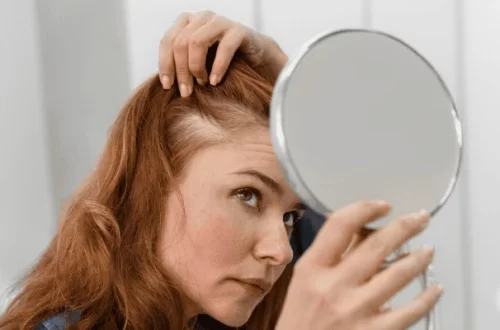
Have you ever looked at your hairbrush and wondered why so much hair is falling out? Perhaps you’ve noticed your hairline changing after pregnancy or your hair becoming thinner during menopause. These changes are common and often associated with hormonal fluctuations.
Hormones are your body’s chemical messengers. They control many things—your mood, your energy, and yes, even your hair. When hormones fluctuate, your hair can respond by growing faster, falling out, or changing in texture.
This can happen at different points in life—during puberty, after childbirth, with stress, or as you age. The good news? Once you understand how hormones affect your hair, you can better manage it and know when to seek help.
2. How Hair Growth Works
Your hair doesn’t grow all at once. It grows in phases, like a cycle.
- Anagen Phase: This is the stage of growth. It lasts for years, and most of your hair is in this phase right now.
- Catagen Phase: A short time when growth slows down. This phase lasts a few weeks.
- Telogen Phase: The resting stage. Your hair doesn’t grow here but stays in place.
- Exogen Phase: This is the stage when old hair falls out, making room for new hair to grow.
Hormones help regulate the duration of each phase. Some hormones help hair grow longer, while others make hair fall out sooner. When your hormone levels change, the timing of these phases can shift, and that’s when you notice things like shedding or thinning.
3. Key Hormones That Affect Your Hair
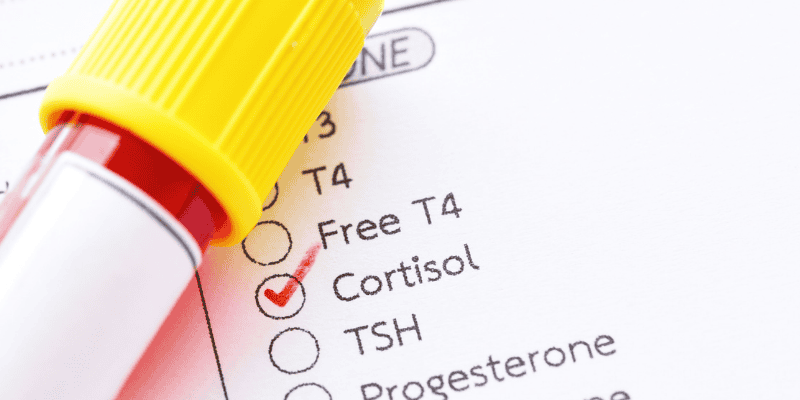
Let’s look at the main hormones that play a role in hair growth and loss.
1. Androgens (Testosterone and DHT)
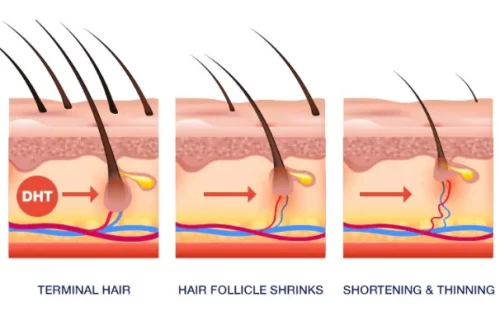
Androgens are often called “male hormones,” but both men and women have them. The main one linked to hair loss is DHT (dihydrotestosterone). DHT is made from testosterone. It can shrink your hair follicles, causing the hair to become thinner over time. In some people, it even stops hair from growing altogether.
This type of hair loss is often referred to as pattern baldness. In men, it usually starts with a receding hairline or thinning on top. In women, the hair becomes thinner all over, especially at the part line.
The primary reason for this is mainly due to genetics. Some people are more sensitive to DHT than others. Even normal levels of this hormone can lead to noticeable hair loss if your body reacts strongly to it.
Doctors often treat DHT hair loss with medications like finasteride, which lowers DHT levels, and minoxidil, which can help stimulate hair growth.
According to defymedical.com, blocking DHT can slow down or stop this type of hair loss in many people.
2. Estrogen and Progesterone
Estrogen is a hormone that helps keep your hair in the growing stage (anagen phase) for a longer period. That’s why many women notice their hair feels thicker during pregnancy, when estrogen is high.
But after childbirth, estrogen drops quickly. This sudden drop can trigger a significant amount of hair to enter the shedding phase (telogen), resulting in noticeable hair loss. This condition is known as postpartum hair loss, and it typically begins around 2–4 months after the baby is born.
Progesterone is another female hormone. It helps balance the effects of androgens by slightly blocking DHT. While it doesn’t do this as strongly as some medications, it still helps support healthy hair.
During menopause, both estrogen and progesterone go down. This change can cause the hair to thin, especially around the crown or top of the head.
“Hormone changes are one of the most common reasons for female hair thinning, especially after pregnancy and during menopause,” explains Dr. Ncoza Dlova.
3. Thyroid Hormones (T3 and T4)
Your thyroid is a small gland in your neck, but it has a big job. It controls how your body uses energy, including the growth of your hair.
When your thyroid is not working correctly, you might have either:
- Hypothyroidism (low thyroid levels)
This can cause slow hair growth and thinning of hair all over the scalp. Your hair may also become dry and brittle. - Hyperthyroidism (high thyroid levels)
This can also lead to hair loss, making the hair feel soft and delicate.
In both cases, you may notice more hair in your shower or on your brush. Other signs include changes in weight, mood, and energy levels.
A simple blood test can check your thyroid function, and medicine can help restore balance.
4. Cortisol (Stress Hormone)
Cortisol is your body’s primary stress hormone. It helps you handle challenging situations. But when your body makes too much cortisol for too long—like during long periods of stress—it can hurt your hair.
High cortisol levels can cause your hair to transition out of the growing stage and into the resting or shedding stage. This leads to increased hair loss, a condition known as telogen effluvium.
This type of hair loss doesn’t usually cause bald spots. Instead, it causes your hair to thin evenly all over your head.
“Stress-related hair shedding is one of the top reasons patients come to our clinic,” says Dr. Shilesh Iyer.
The good news? If stress is the cause, your hair often grows back once your stress levels go down.
5. Other Hormones to Know About
- Insulin: High insulin levels are often seen in people with PCOS (polycystic ovary syndrome). This can lead to more androgens, which in turn can cause hair thinning or even facial hair growth in women.
- Prolactin: This hormone rises during breastfeeding. Some studies suggest it might delay the hair growth cycle, but more research is needed.
- Oxytocin: Known as the “feel-good” hormone, oxytocin is being studied for its effects on scalp health and stress. Early research from nature.com shows it may help calm the skin and reduce inflammation, which could support hair growth.
4. Signs of Hormonal Hair Loss
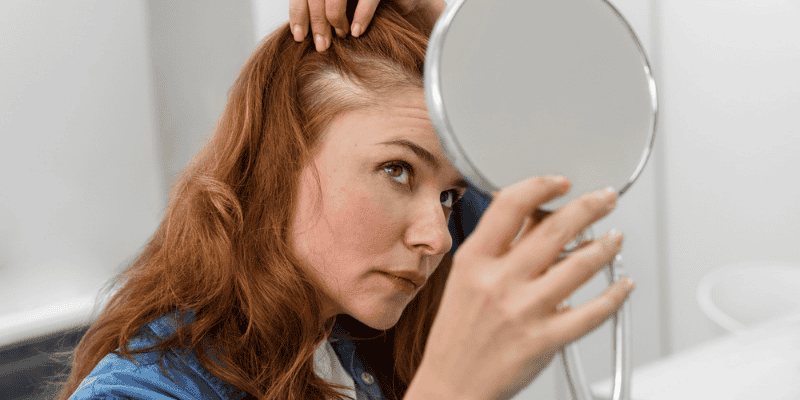
Wondering if hormones might be the cause of your hair problems? Here are some signs to look out for:
- Heavy shedding after childbirth
- Thinning at the crown or part line during menopause
- A receding hairline in men
- Overall, thinning caused by stress or thyroid issues
If you notice large clumps of hair falling out, your scalp showing through more than before, or changes in texture (such as your hair becoming finer or drier), hormones may be playing a role.
It’s also smart to talk to a doctor if:
- Your hair loss is sudden or severe
- You have other symptoms like fatigue, weight changes, or mood swings
- Hair loss runs in your family
Blood tests can help check hormone levels and determine the cause.
5. What You Can Do About It
Hormonal hair loss can be intimidating, but there are effective treatments available to help improve your hair health.
Medical Options
- Minoxidil: A topical treatment you apply to your scalp. It helps stimulate growth and can work for both men and women.
- Finasteride: A pill that blocks DHT. Primarily used for male pattern baldness.
- Thyroid medication: If you have thyroid issues, treating them can stop the hair loss.
- Hormone therapy: Some women benefit from hormone replacement after menopause.
Always consult a doctor before starting any new treatment.
Lifestyle Changes
- Eat well: Your hair needs nutrients to grow and thrive. Make sure your diet includes:
- B vitamins (especially biotin)
- Zinc
- Iron
- Omega-3 fatty acids (found in fish and flaxseed)
- Reduce stress: Try deep breathing, yoga, or just taking regular breaks. Sleep also helps balance cortisol.
Consider natural supplements: Some people find help from herbal or plant-based options that support hormone balance. Here are a few products people try:
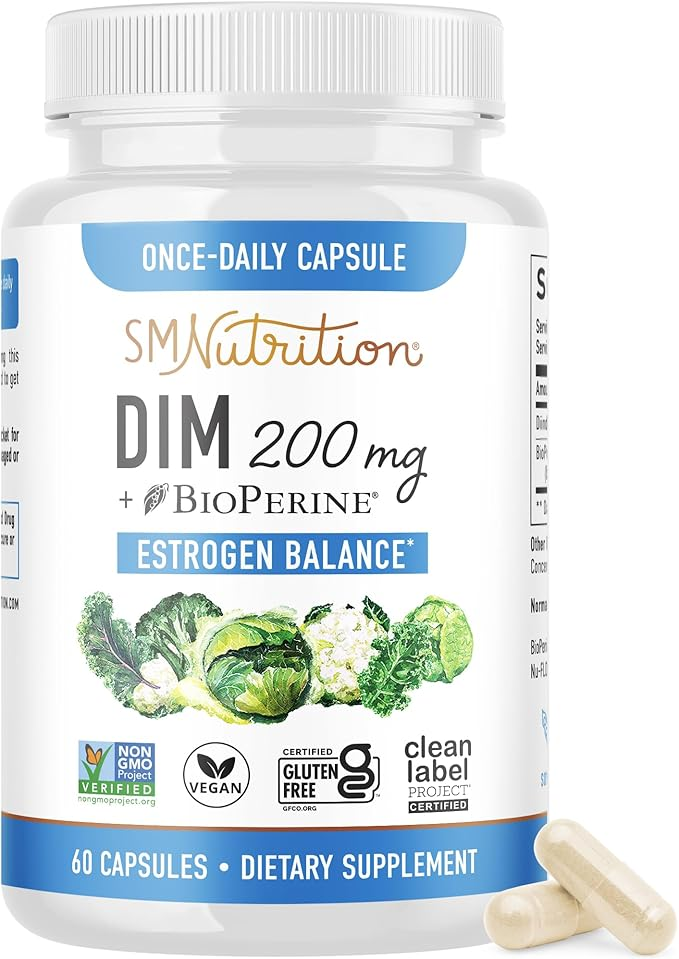
THE DIM SUPPLEMENT WOMEN WANT: Our DIM 200mg supplement for women provides must-have support at every stage of life. DIM 200 offers support for menopause, hot flashes and night sweats, bloating, PMS, and more, making it one of the premier menopause supplements for women, as well as overall hormonal balance for women.
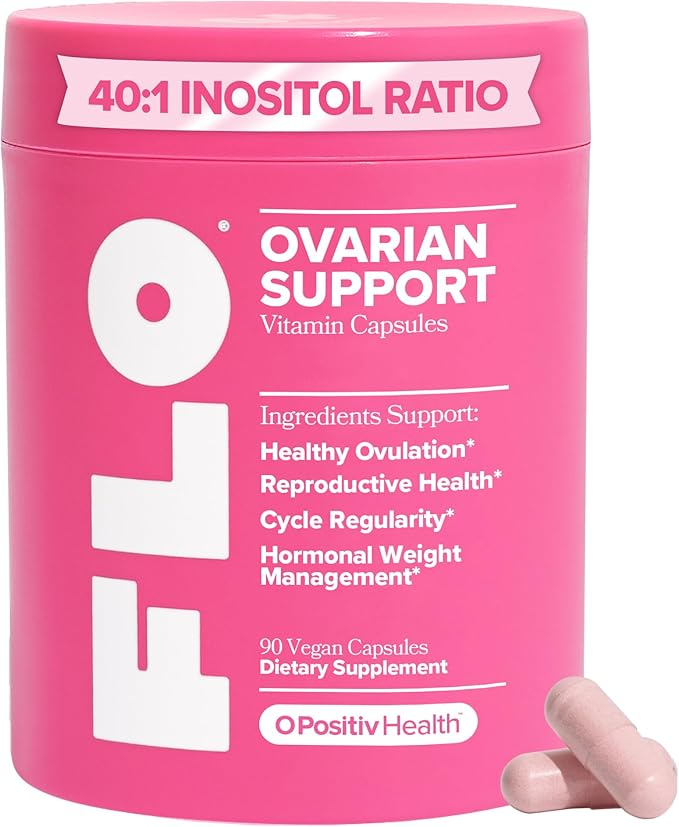
For Easier Regular Periods: Formulated to support normal ovarian function for hormone management, cycle regularity, and reproductive health.